Heron
A health-monitoring earpiece for the workplace. An industrial design project about building workplace monitoring that employees might actually want.
- Role
- Solo: research, ergonomics, CMF, CAD and rendering
- Team
- Solo
- Context
- Advanced Industrial Design, Dyson School of Design Engineering
- Year
- 2021
Outcome
A complete concept, from research and ergonomics through colour, material and finish to final CAD renders, designed around the wearer rather than the employer.
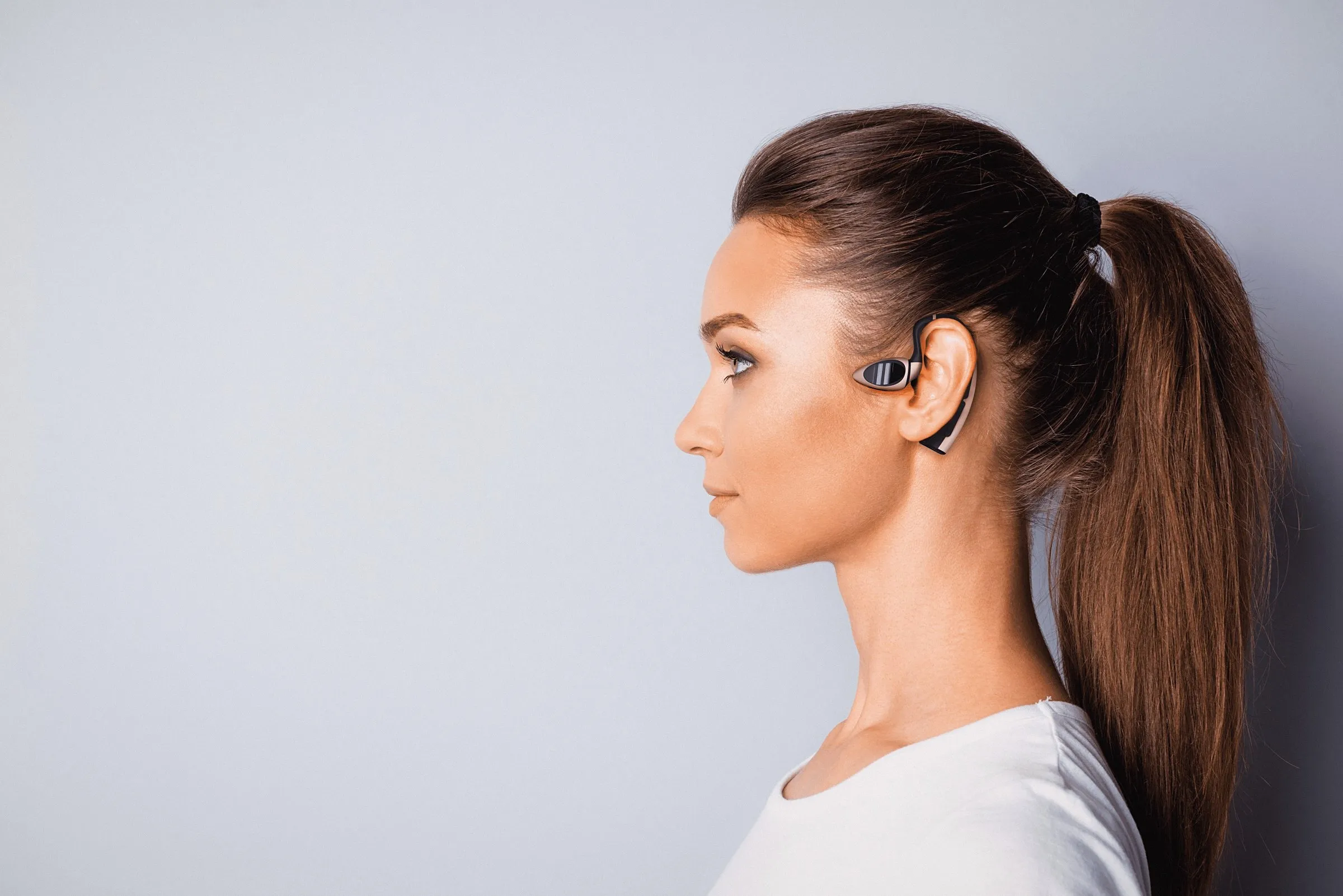
Employee monitoring is spreading, and most of it is designed to track productivity, not to look after people. That breeds resentment. Heron asks whether the same technology could be designed around the wearer instead: a health-monitoring earpiece that helps people feel better at work.
The problem
Disengagement and stress are expensive, for people and for businesses.
85%
of employees are not engaged, or actively disengaged, at work
Gallup
79%
of employed British adults commonly experience work-related stress
UK workplace survey, 2020
17.9M
working days lost to work-related stress, depression or anxiety in 2019/20
HSE, Great Britain
Meanwhile, workplace monitoring is becoming more data-driven, from location-tracking ID cards to wearables that check workers’ vital signs.
How might we optimise the performance of a human workforce without compromising their work satisfaction?
Productivity
MIT research saw operating profits rise 7% when employees were monitored with their consent.
Satisfaction
92% of employees say technology that helps them work efficiently affects their job satisfaction (Ultimate Software).
Better decisions
Regular, data-driven insight means managers don't have to reconstruct past performance at review time.
Hurt feelings
Intrusive monitoring makes people feel their privacy is devalued, which erodes morale and increases turnover.
Too much data
Breaking down employee activity takes time and careful analysis, which costs the company.
Legal and ethical risk
Monitoring is limited by employee rights, and more data means more that can be misused.
Introducing Heron
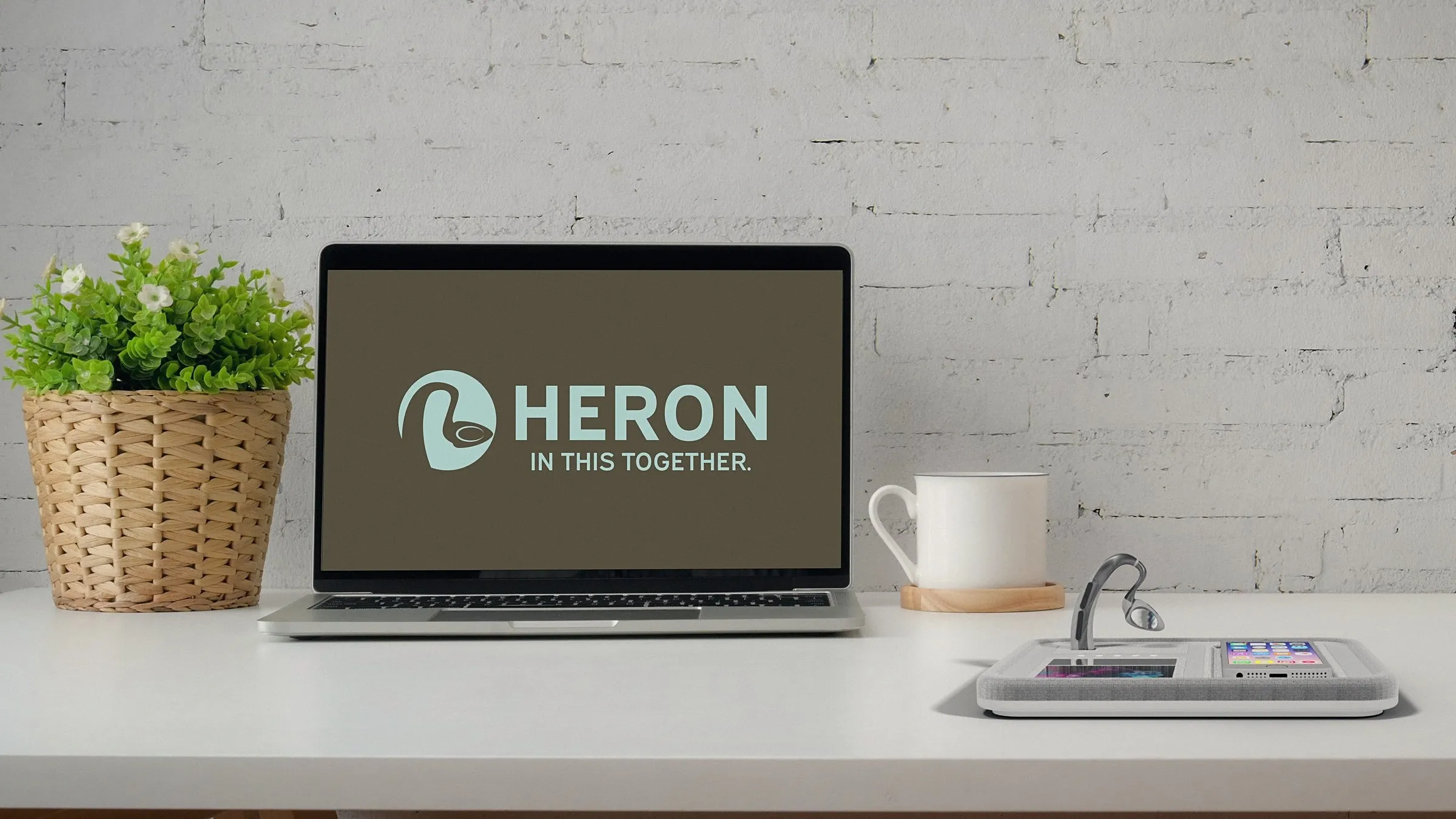
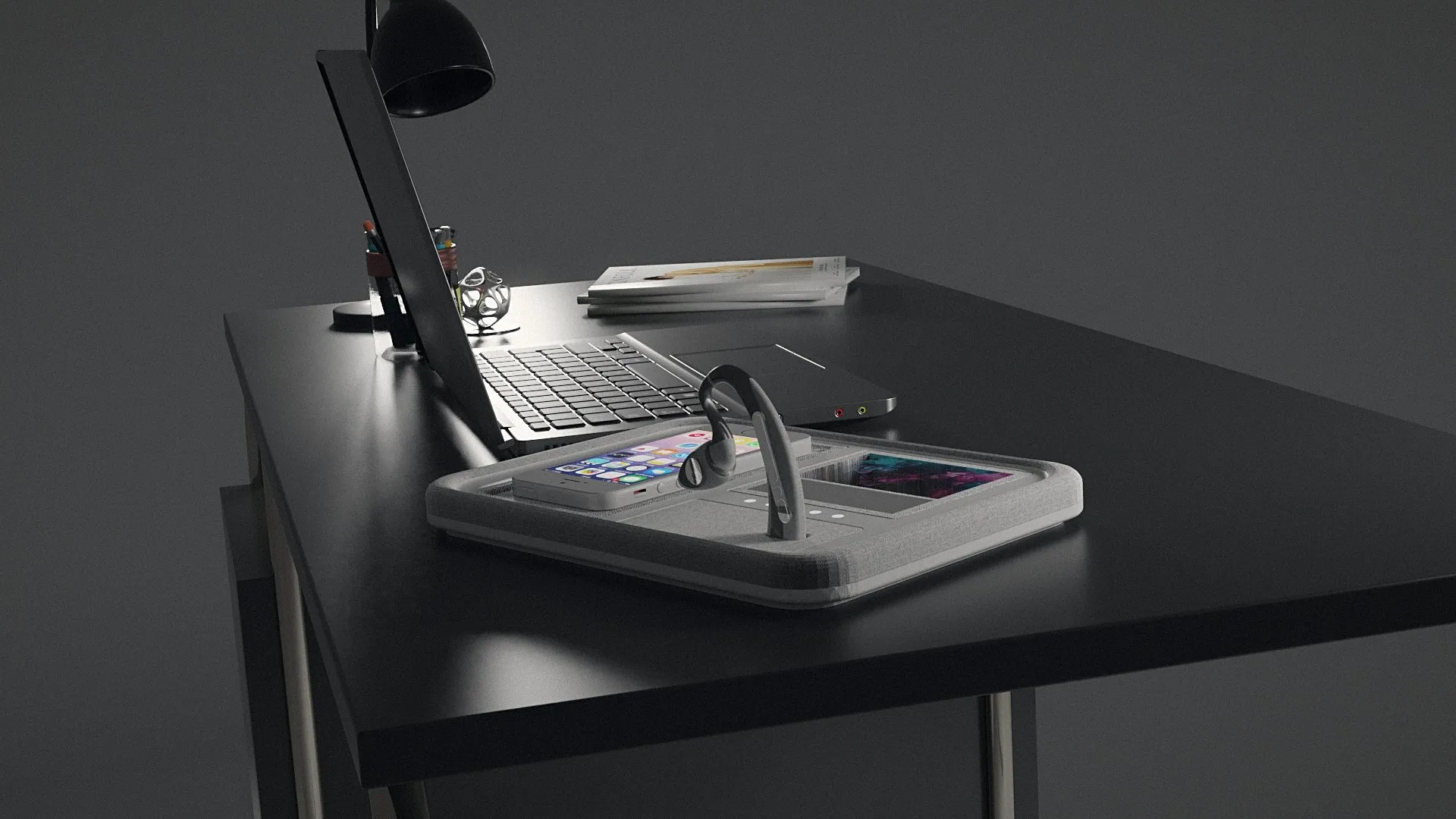
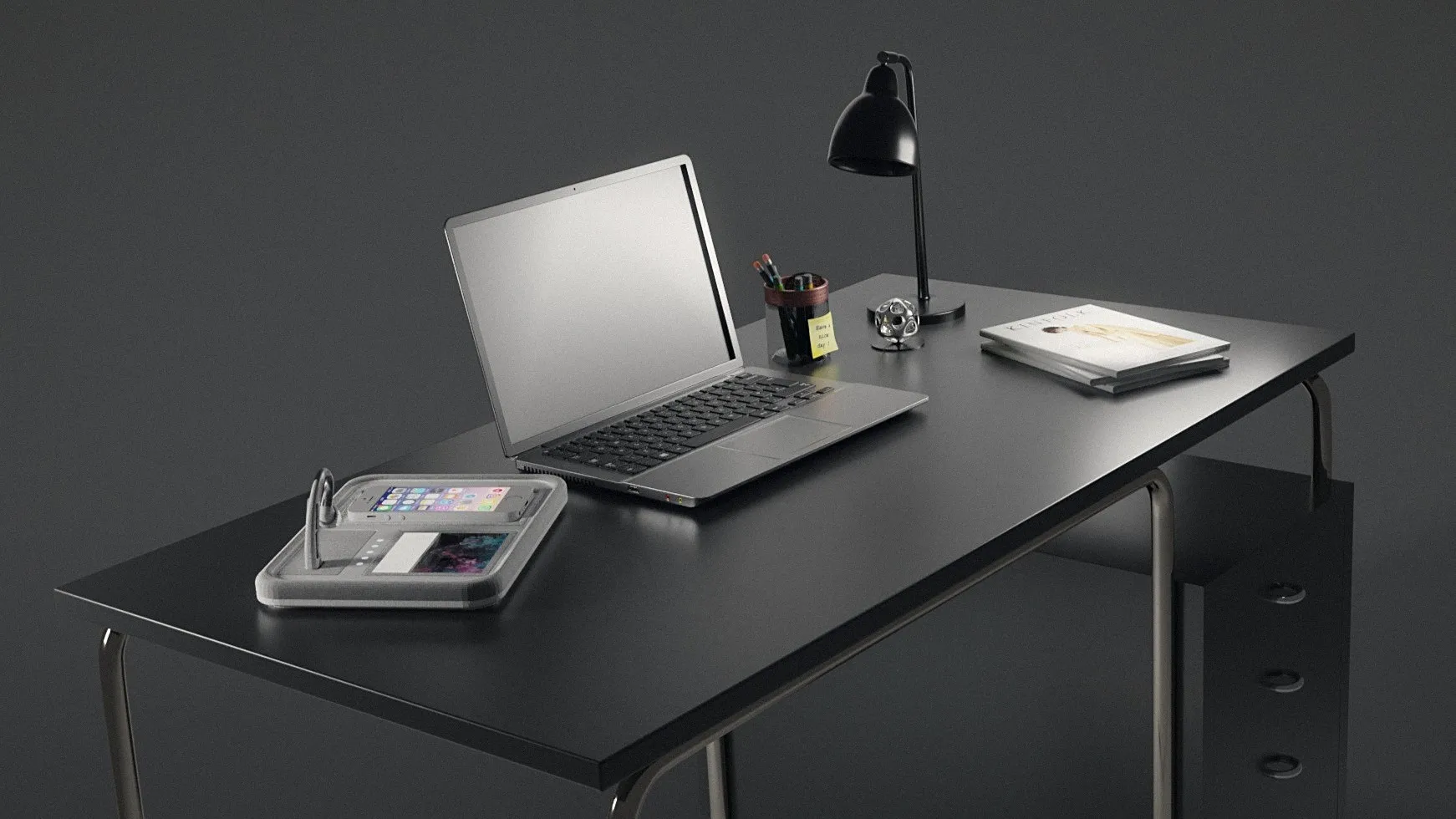
An earpiece that monitors vital signs, helps manage work-related stress and doubles as a voice assistant, with a desk dock that keeps it charged. The aim: support a fulfilling working life while still allowing fair, efficient workforce management.
Explore Heron
Tap a number on the render, or a feature in the list.
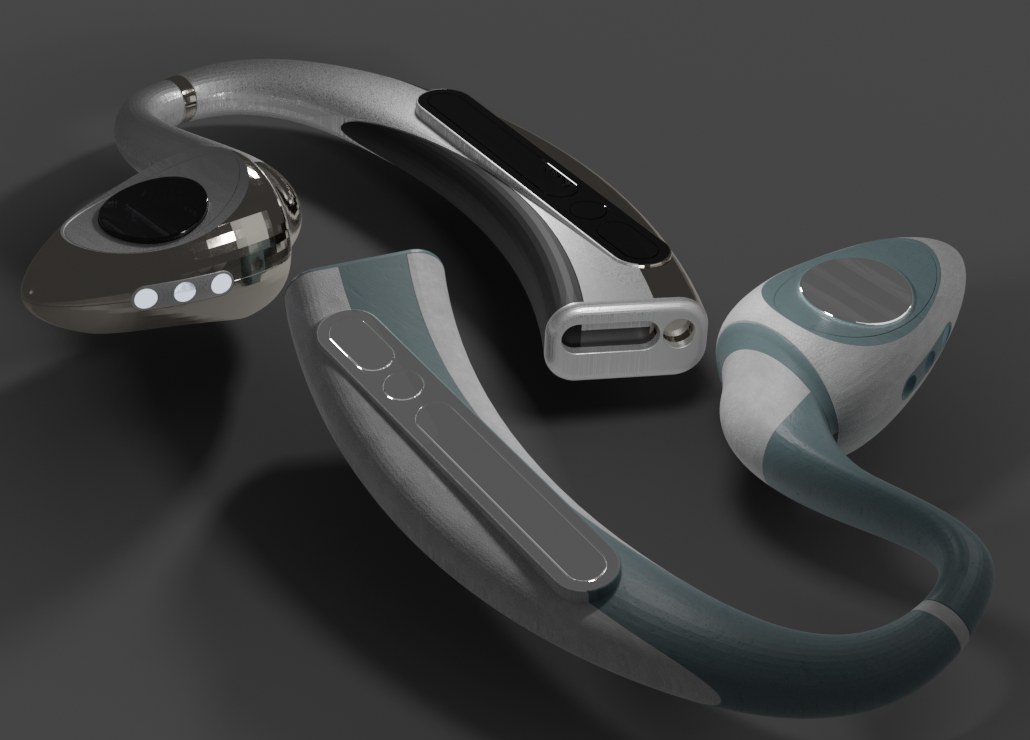
In the moment
Wireless bone conduction is non-invasive and gives Heron a weightless feel.
GP on the go
Heart rate and blood pressure sensors sit above the temporal artery for accurate readings.
Time for a snack?
Ion-sensitive electrodes help the wearer keep track of hydration and blood sugar.
A watchful eye
Monitors posture and head movement, giving a reliable indication of falls.
Read the room
Dual microphones pick up ambient noise so the volume adjusts automatically.
No more "OK Google"
A touch pad wakes the voice assistant to read out your schedule, latest email or voice memos.
Enduring comfort
Adjustable ear loops in a water- and UV-resistant elastomer with shape memory.
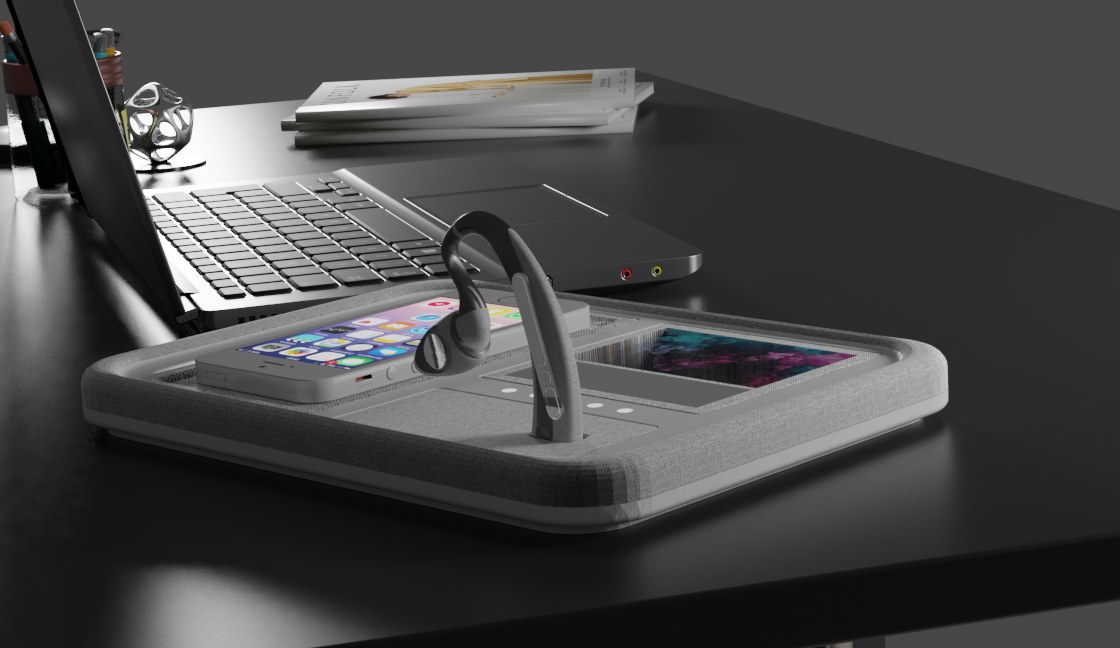
Designed to be left at work
Dock Heron at the end of a shift and it is fully charged when you return.
Wireless phone charger
The dock charges your phone too, so it earns its place on the desk.
Display panel
Shows visual alerts at a glance.
Clock and status lights
A 24-hour clock and indicator lights.
Process
Sketching and lo-fi prototyping explored where on the body a device like this could live. Earpieces won: discreet, flexible and already familiar in offices. The prototypes led to five rules:
Fit comes first
Ergonomics decide whether it stays in, and stays comfortable, all day.
Keep it discreet
A minimal profile avoids the "hearing aid" look and its stigma.
Simple controls
You can't see the controls while wearing it, so keep them very simple.
Hard to lose
It clips to the body when not in use.
Dock, don't plug
A charging dock beats a fiddly cable.
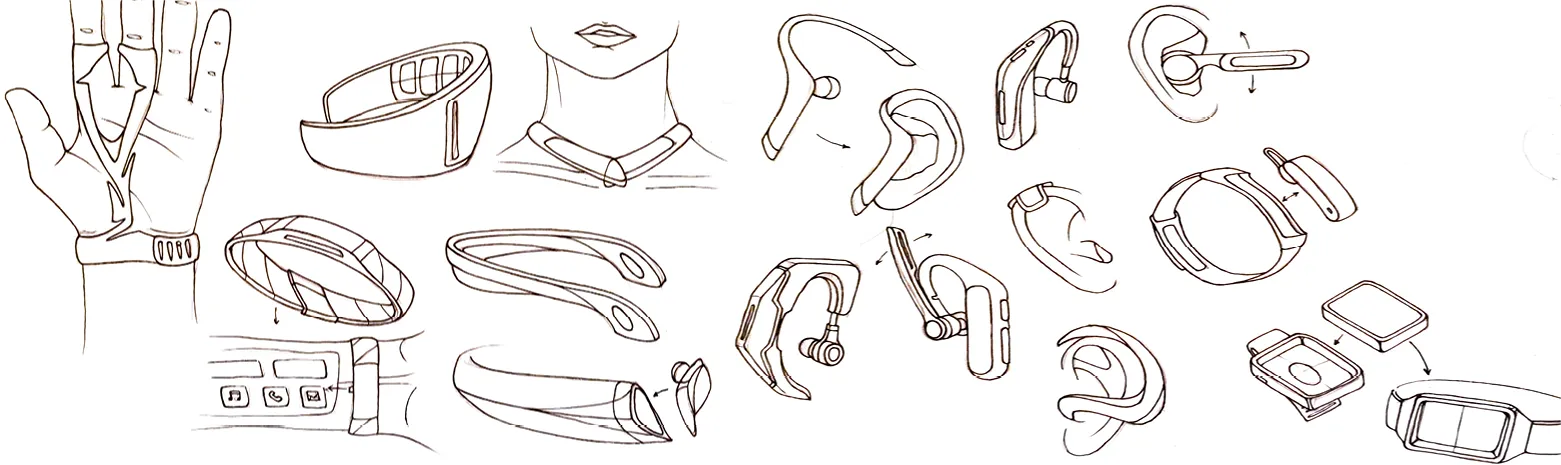
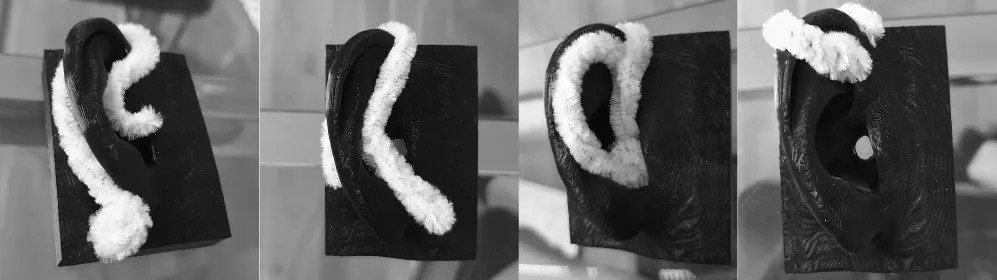
1 · Sketches explored where on the body a device could live. 2 · Lo-fi prototypes tested the most promising earpiece forms for fit, and produced the five rules above.
Human factors
The form follows the body: it has to fit a wide range of ears, put its sensors in the right place, and be easy to operate without looking.
One size, most ears
A flexible neck adapts to the spread of adult ear sizes, giving a secure, comfortable fit for the widest possible range of wearers.
Sensors in the right place
The form puts the sensors over the temporal and posterior auricular arteries, the landmarks clinicians use for readings.
Familiar, predictable controls
Push buttons and capacitive touch are easy to learn, and LEDs and sounds confirm every input.
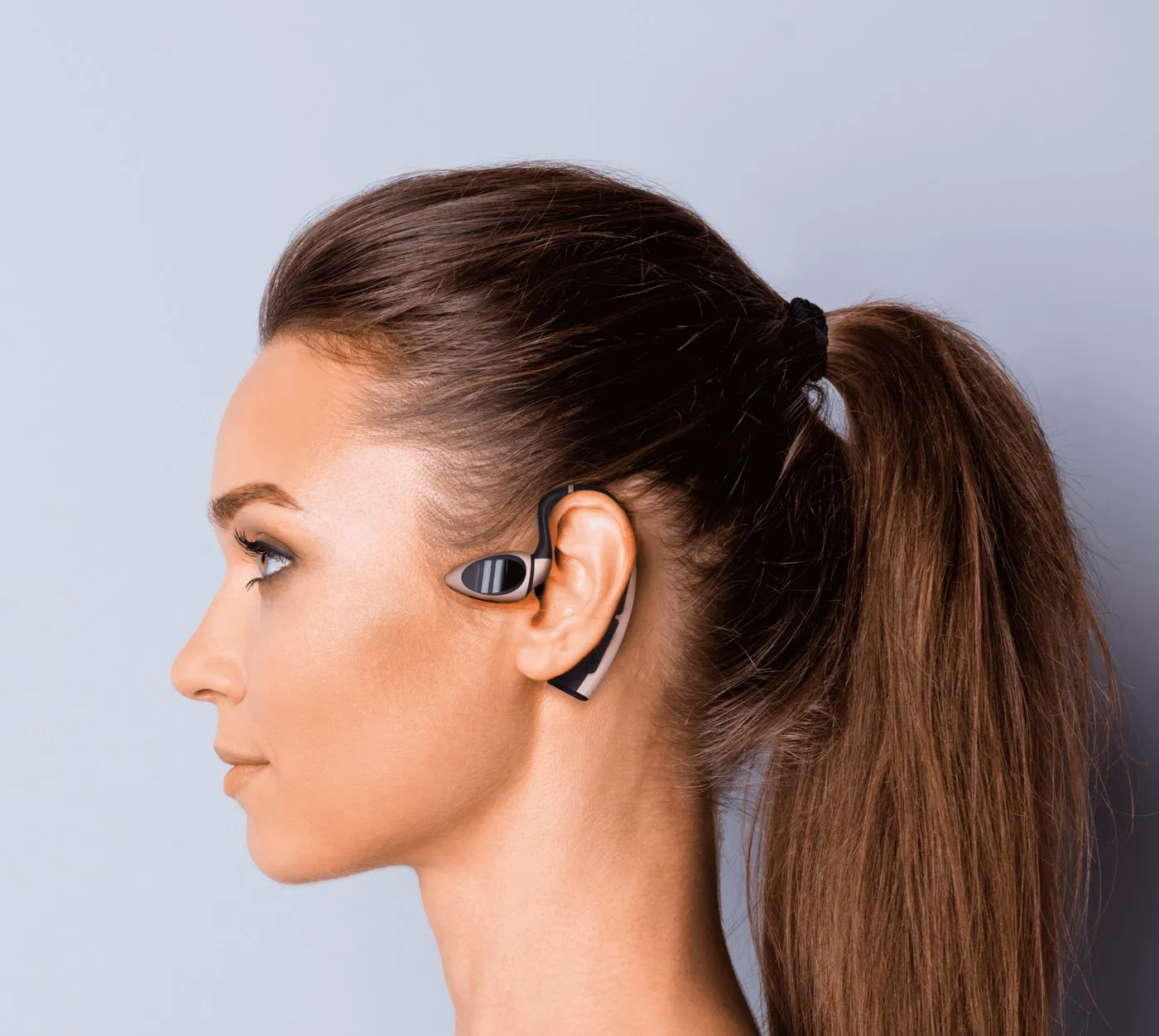
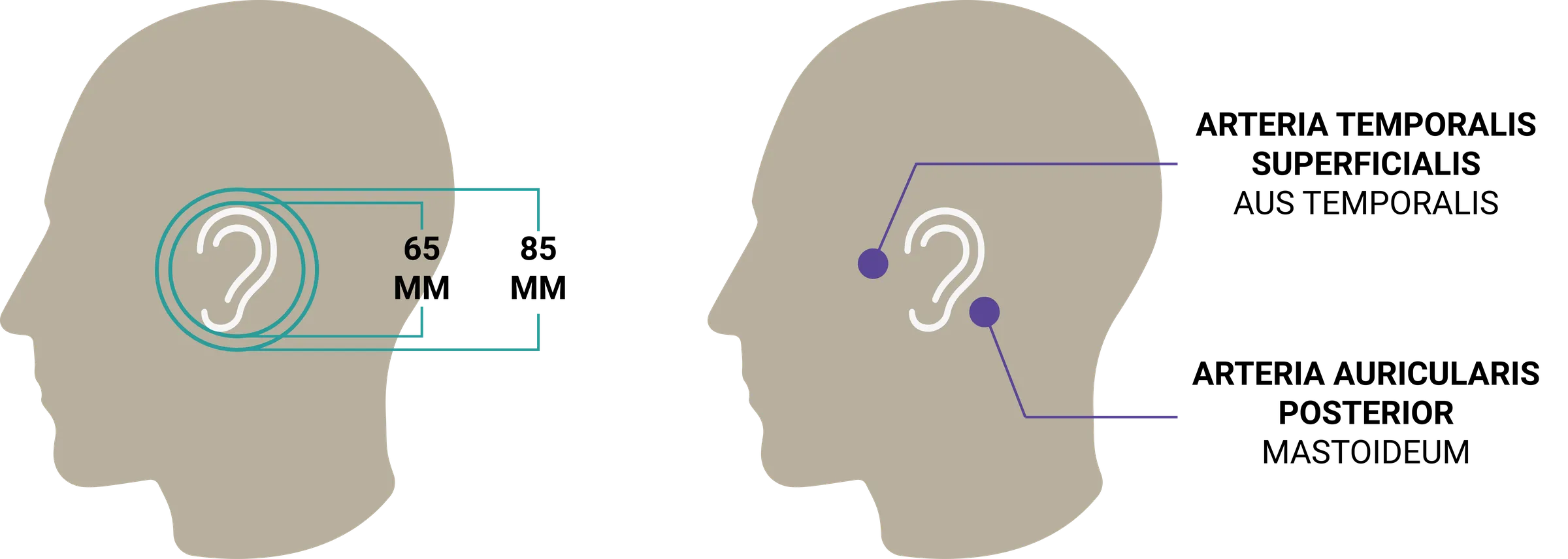
Left: Heron worn on the ear. Right: the ergonomics drawing behind it, sizing the flexible neck to adult ears (65–85 mm) and placing sensors over the temporal and posterior auricular arteries.
Colour, material and finish
I started with a moodboard of trends in wearables and office products:
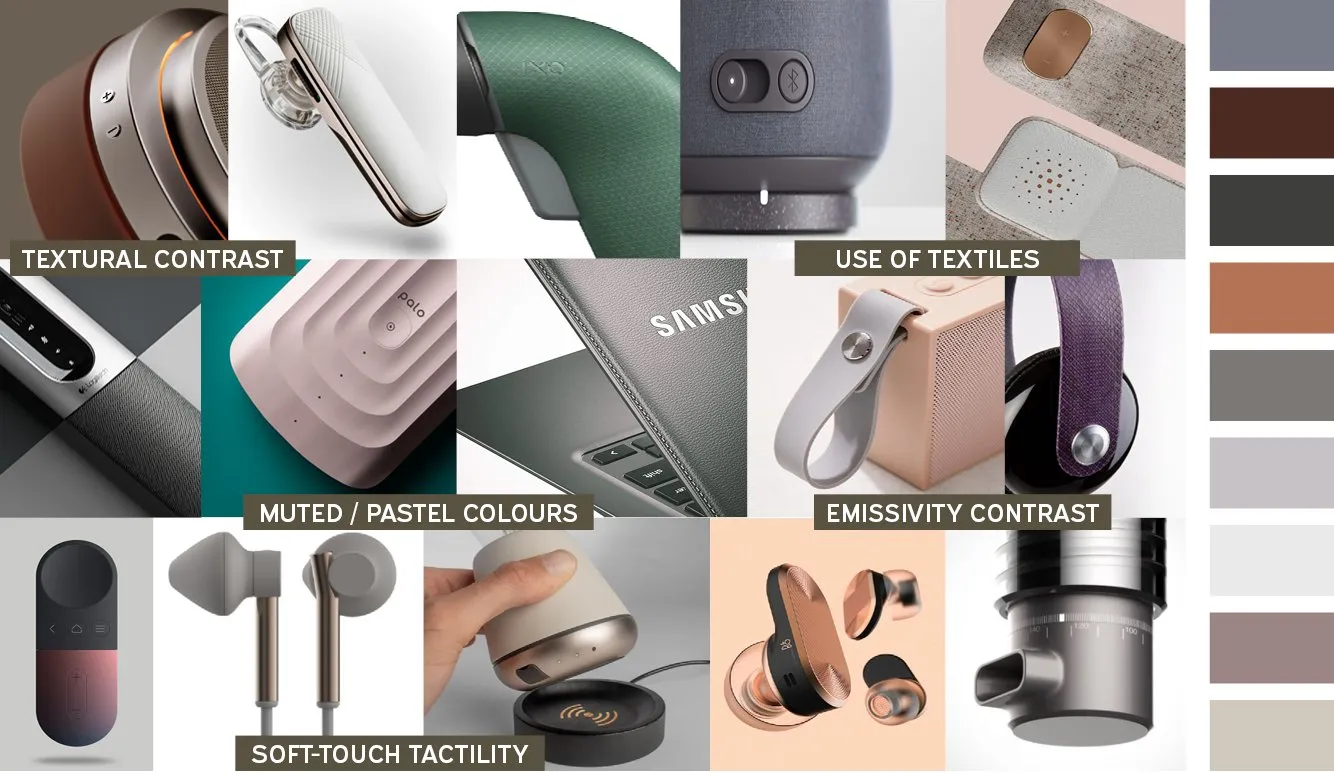
From it came four principles, so each material choice had a job:
Grip
Textured, muted materials where you hold it: easier to handle and warmer to the touch.
Body
Smoother accent materials for the bulk, comfortable against the skin around the ear.
Contact points
Glossy metals and ceramics where it touches skin, for function and a touch of quality.
Choice
Four colourways, so it doesn't feel like standard company kit.
The principles produced four final colourways:
Colourway 1
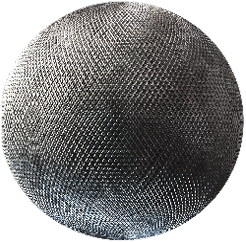
Texture
Knurled aluminium

Base
Metallic PET
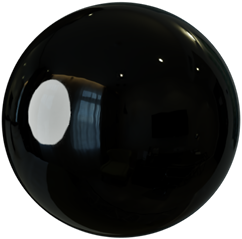
Contacts
Dark glass
Colourway 2
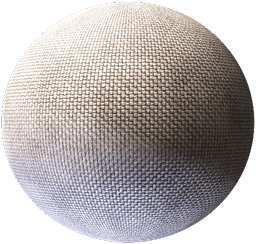
Texture
Beige linen

Base
Blue R-PET

Contacts
Marbled ceramic
Colourway 3

Texture
Off-white leather

Base
Brushed brass
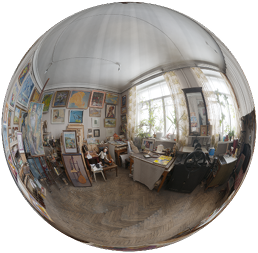
Contacts
Chrome
Colourway 4

Texture
Textured polyester

Base
Matt black PET
Contacts
Scuffed titanium
The four final colourways, each pairing a textured grip, a base material and a skin-contact material.
Designing for emotion
The materials also position Heron emotionally. Building on Don Norman’s three levels of emotional design, it balances “form follows function” with a product people feel good about wearing:
Visceral
A minimal, modern form that looks discreet, not medical.
Behavioural
A glossy, fingertip-sized touch panel that invites a tap, with spoken feedback that feels like talking to a friend.
Reflective
Personal colourways and positive daily use build meaning and attachment over time.
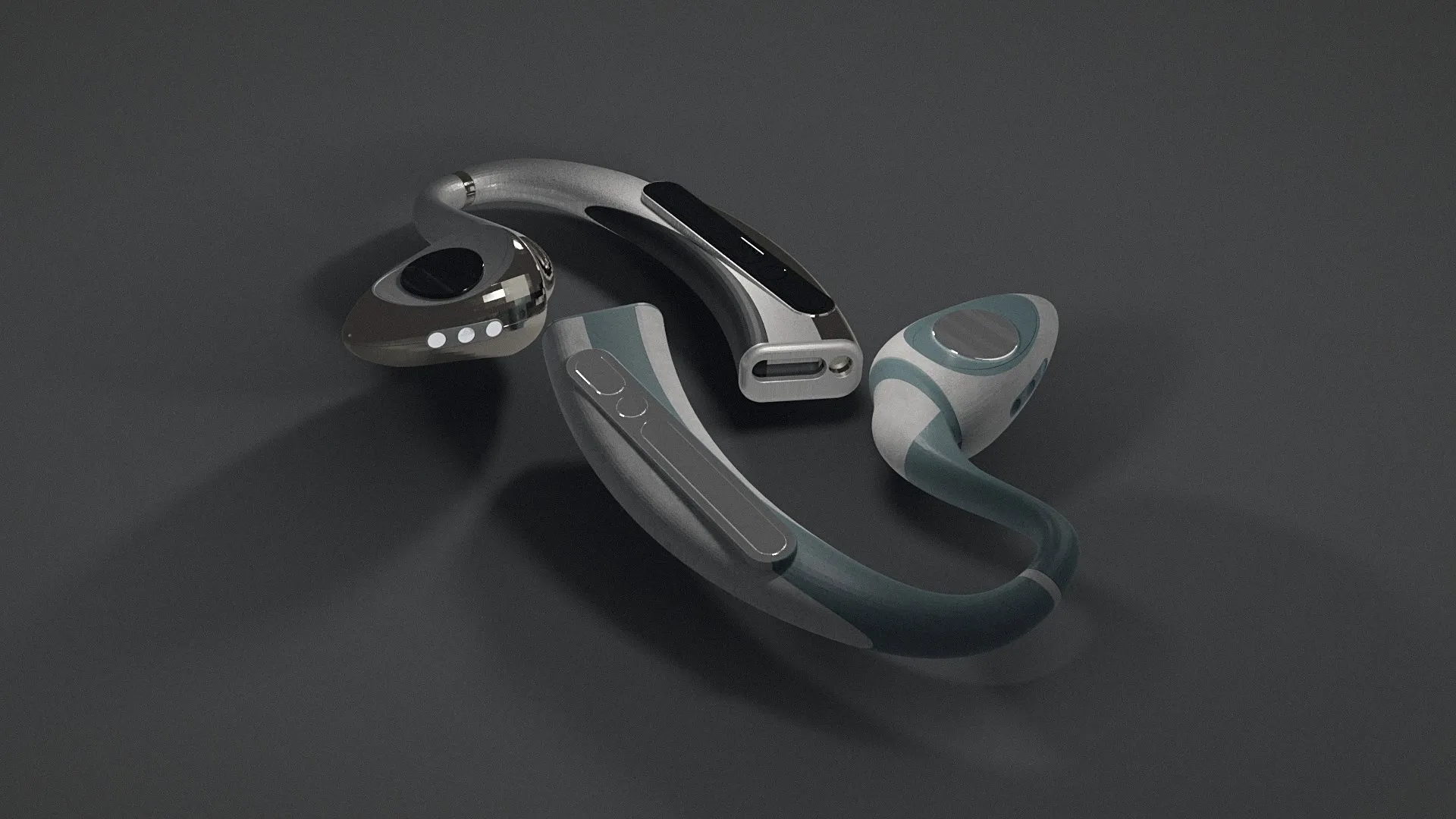
Final renders

What I learned
Product semiotics
- What a product looks like tells people what it is for. A device that looked clinical or like a hearing aid would have signalled surveillance or illness, however good its intentions.
- Materials carry meaning too. Warm, textured finishes made Heron read as a personal accessory rather than company equipment.
Utility in sensitive contexts
- When a product collects personal data, usefulness to the wearer has to come first. If it only serves the employer, people will resent it.
- Trust is a design problem, not just a policy one. Who owns the data, what employers see and how consent works would shape the design as much as the form.